- 0
- 279 words
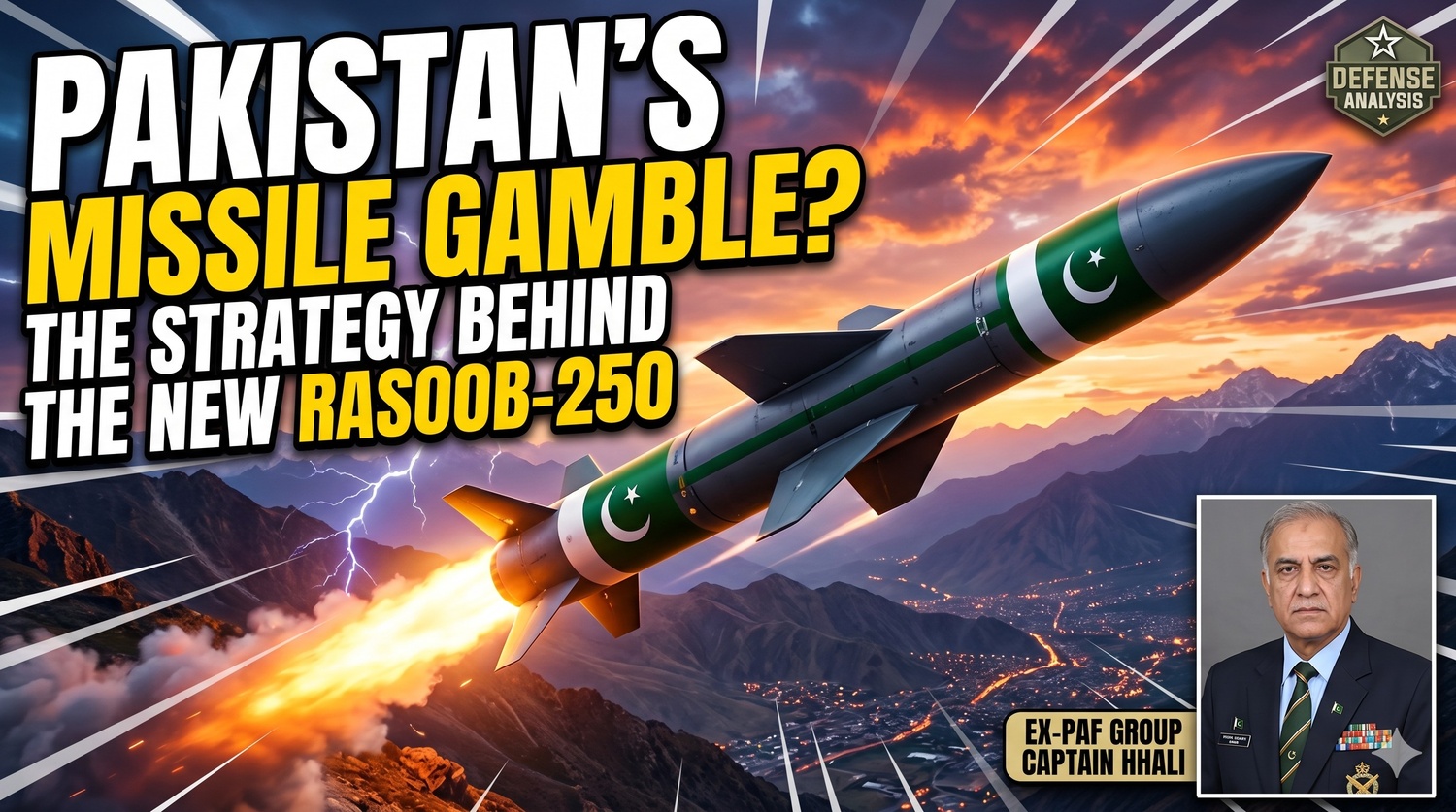
Pakistan’s Rasoob-250 missile: Here’s what you need to know
When Pakistan unveiled the Rasoob-250 cruise missile, retired Pakistan Air Force group captain Sultan Hali told Sputnik the move wasn’t surprising. “Missiles are central to Pakistan’s military doctrine for three key reasons,” he said — and those reasons explain why Islamabad is leaning harder on cruise technology.
First, missiles provide deterrence: they let Pakistan strike far beyond its borders without sending aircraft into contested airspace. Second, they act as a force multiplier, stretching the reach of both the air force and the navy for air-to-ground and sea-to-land missions. Third, Hali argued, they help restore a strategic balance. Much like how Iran relies on missile capabilities to offset superior adversaries, Pakistan sees these systems as a relatively affordable way to level the playing field.
Hali says the Rasoob-250 is largely a domestic effort. He points to similar systems abroad — Norway’s Joint Strike Missile, Turkey’s SOM, and China’s CM-400AKG — but stresses that Rasoob-250 is the latest sign of Pakistan’s growing arms industry. Earlier this month, the country also tested its Fateh-3 and Fateh-4 missiles, underscoring that momentum.
That momentum, Hali adds, comes from three sources. One: sustained investment in indigenous R&D at institutions such as NESCOM, GIDS, and the Air Weapons Complex, especially in software, composites, and guidance tech. Two: operational pressure — regional threats and demand for stand-off weapons have accelerated development. Three: a shift in doctrine, where missile forces now operate alongside cyber and electronic warfare tools and integrated targeting systems.
Taken together, these trends show a defense sector moving toward greater self-reliance and a more layered approach to deterrence.
Author

admin@insiderglobal.news
Related Posts
U.S. Highlights Strait of Hormuz Alternative Oil Routes
- 0
- 1,165 word
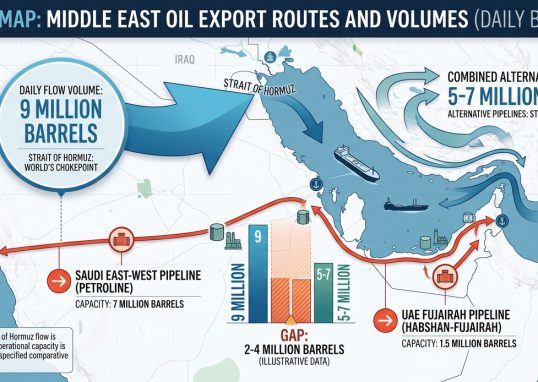
U.S. Highlights Strait of Hormuz Alternative Oil Routes Amid Iran Standoff The Trump administration has highlighted significant progress in establishing alternative oil...
- alternative oil routes
- Chris Wright
- energy chokepoints
- energy security
- global oil market
- international trade
- Iran demands
- Kpler shipping data
- Middle East geopolitics
- naval blockade
- oil prices
- oil tanker escorts
- Oman mediation
- Persian Gulf
- Red Sea pipelines
- Saudi East-West pipeline
- Strait of Hormuz
- Trump Administration
- U.S. Middle East policy
- UAE Fujairah pipeline

Putin Explodes Over Peace Talks: Rejects Ceasefire, Demands Full Donbas Conquest Amid Fuel Crisis
- 0
- 562 words
Putin Explodes Over Peace Talks: Demands Donbas as Fuel Crisis Grips Russia Russian President Vladimir Putin has erupted in fury inside the...

U.S. Files Charges Against Raúl Castro for 1996 Brothers to the Rescue Plane Shoot-Down
- 0
- 1,111 word
U.S. Files Charges Against Former Cuban Leader Raúl Castro Over 1996 Civilian Plane Shootdown The United States Department of Justice has unsealed...
Read out all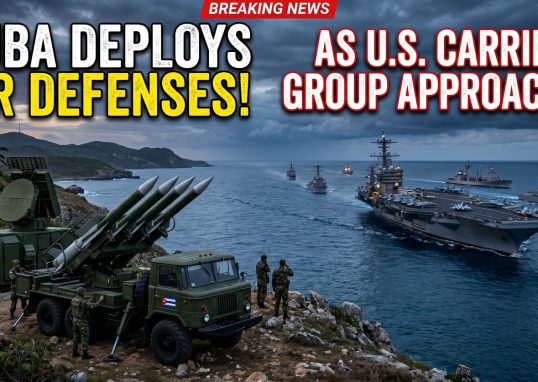
Cuba Live-Fire Missile Drills: S-125 Air Defenses Challenge US Navy Carrier in Caribbean Standoff
- 0
- 306 words
Cuba Deploys Air Defenses as U.S. Navy Carrier Strike Group Approaches Cuba has activated its ground-based air defense network in a show...

U.S. Announces Withdrawal of 5,000 Troops from Europe, Heavily Impacting Poland
- 0
- 266 words
USA announces it’s withdrawing 5000 troops from Europe, out of which 4000 will be withdrawn from Poland. The United States has told...
Read out all
FBI Director Kash Patel’s Olympic Locker Room Celebration Fuels Jet Use Backlash
- 0
- 129 words
FBI Director’s Olympic Celebration Sparks Jet Controversy FBI Director Kash Patel is facing criticism after viral footage showed him raucously celebrating with...